
 English
 Español
 Portugues
 Pусский
 Français
 Deutsch
 日本語
日本語 한국어
한국어 العربية
 Italiano
 Nederlands
 Svenska
 Polski
 Türk dili
 हिन्दी
 Indonesia
 Melayu
 dansk
dansk Magyar
 বাংলা
বাংলা עִברִית
 čeština
 українська
 беларускі
 Filipino
 Suomalainen
 اردو
اردو հայերեն
 български
 Hrvatski
 galego
 नेपाल
नेपाल euskara
 Shqipëria
 Malagasy
 Башҡорт
 Türkmenler
 Ilocano
 Нохчийн


Controller For Reactive Power Compensation
Controller for Reactive Power Compensation Reactive power compensation is essential for maintaining power system stability, improving voltage regulation, and enhancing energy efficiency. A reactive power compensation controller is a critical component in this process, ensuring optimal performance of compensation devices such as capacitor banks, static VAR compensators (SVCs), or static synchronous compensators (STATCOMs). Functionality The controller continuously monitors key electrical parameters, including voltage, current, power factor, and reactive power demand. Based on real-time measurements, it determines the required compensation to minimize reactive power flow, reduce losses, and maintain voltage within acceptable limits. Advanced algorithms enable dynamic adjustments to match varying load conditions, ensuring efficient operation under steady-state and transient scenarios. Control Strategies 1. Fixed Compensation: Suitable for stable loads, where capacitors or reactors are switched in fixed steps. 2. Dynamic Compensation: Adjusts compensation in real-time using thyristor-controlled reactors (TCRs) or power electronics-based devices for fast response. 3. Closed-Loop Control: Uses feedback from voltage and power factor measurements to fine-tune compensation levels. 4. Predictive Control: Anticipates load changes based on historical data or load patterns to optimize switching operations. Key Features - Automated Switching: Prevents overcompensation or undercompensation by precisely controlling capacitor/reactor banks. - Harmonics Mitigation: Some controllers integrate filtering functions to reduce harmonic distortion. - Communication Capabilities: Supports remote monitoring and integration with SCADA or smart grid systems. - Protection Functions: Detects faults, overloads, or voltage fluctuations to safeguard equipment. Applications - Industrial Plants: Compensates for inductive loads from motors and transformers. - Renewable Energy Systems: Balances reactive power in solar/wind farms to meet grid requirements. - Distribution Networks: Improves voltage stability and reduces transmission losses. Conclusion A well-designed reactive power compensation controller enhances grid reliability, reduces energy costs, and prolongs equipment lifespan. By leveraging intelligent control strategies, it ensures efficient power system operation in diverse applications.
өнім
Классификация:
-
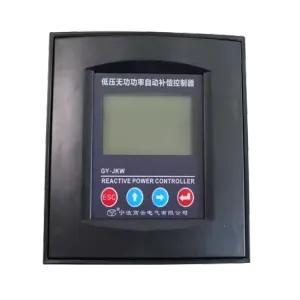
Controller For Reactive Power Compensation
санат: ControllerКөрулер: 43сериялық нөмір:босату уақыты: 2025-12-18 14:32:25Insight and Industrial Applications Reactive power compensation is a foundational element of modern power distribution design, particularly in industrial and commercial electrical systems where efficiency, equipment reliability, and regulatory compliance are paramount. At the heart of effective compensation systems lies an intelligent controller that governs how reactive power is measured, managed, and corrected in real time. This article examines the role, technology, structural characteristics, performance determinants, procurement considerations, common challenges, application scenarios, and future trends associated with controllers for reactive power compensation.
жаңалықтар
Классификация:
Әзірге іздеу нәтижелері жоқ!
іс
Классификация:
Әзірге іздеу нәтижелері жоқ!
бейне
Классификация:
Әзірге іздеу нәтижелері жоқ!
жүктеп алу
Классификация:
Әзірге іздеу нәтижелері жоқ!
жұмысқа қабылдау
Классификация:
Әзірге іздеу нәтижелері жоқ!
Ұсынылатын өнімдер
-
NEWS
Controller For Reactive Power Compensation
көбірек білу үшін



 Whatsapp
 Телефон